Low and Slow: Why the Brisket Pitmaster Out-Trades the Day Trader Every Single Time
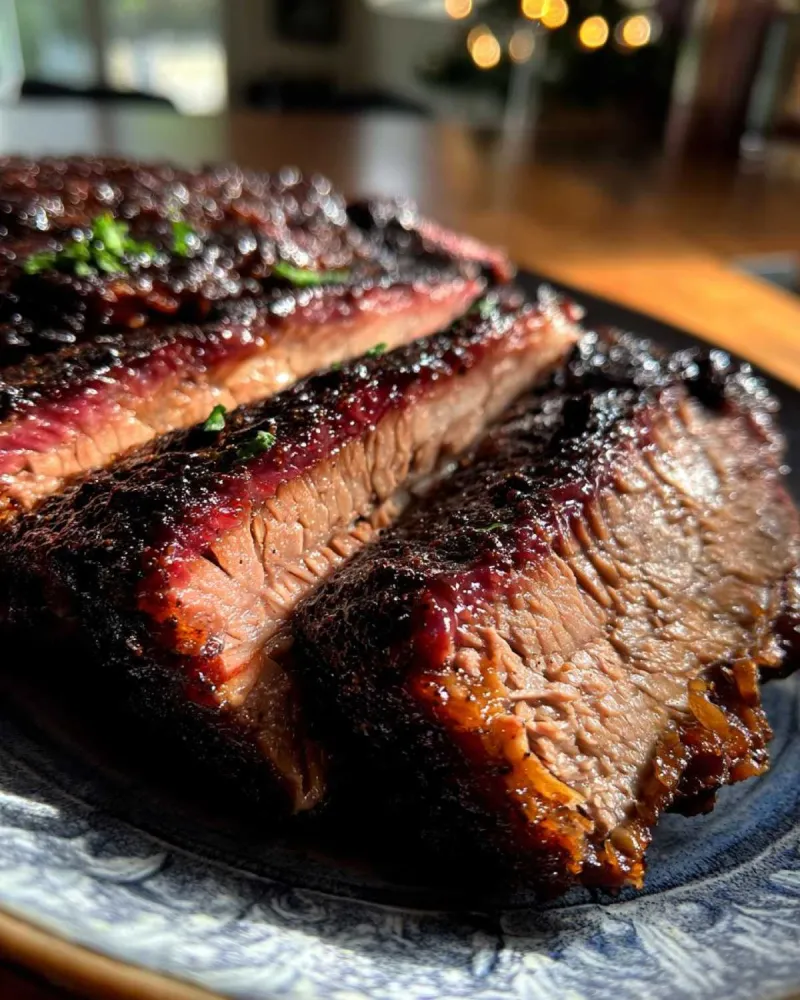
Photo: backyard barbecue smoker brisket fourth of july smoke, via gourmetgusto.net
There's a moment every Fourth of July — usually around hour six of a brisket cook — when the temptation hits. You've been smelling that smoke all afternoon. Your neighbors keep wandering over asking when it'll be ready. And there it is: the smoker, sitting there, just begging you to crack the lid and check on things.
Every pitmaster worth their apron knows the rule: if you're lookin', you ain't cookin'. Every time you lift that lid, you dump your heat, stall your cook, and add an hour to the process. The brisket doesn't care about your anxiety. It converts patience into tenderness at exactly one rate, and no amount of peeking speeds it up.
Sound familiar, dragons?
The Chart Is Just a Lid You Keep Lifting
Let's be honest about what chart-checking actually is. It's not research. It's not diligence. It's lid-lifting. You're releasing heat — your conviction heat — every time you pull up the fifteen-minute candle at 2 a.m. wondering if the dragon is still breathing fire.
The folks who've held ChadRizard through the full ride aren't the ones with the fanciest trading terminal. They're the ones who treated their entry like a brisket: rub it down (do your research), put it on the smoker (buy your bag), set the temperature (pick your thesis), and then go toss the football with your cousins while the magic happens.
America's Original Hold
Here's the thing nobody says out loud: the United States runs on low-and-slow conviction. The interstate highway system. The Golden Gate. Every state fair blue-ribbon recipe that took forty years to perfect. We didn't build this country on scalping — we built it on people who committed to a process and refused to panic-pull the pork shoulder at the stall.
The brisket stall, by the way, is the single greatest holder-culture metaphor in American cuisine. Somewhere around 150°F internal, the meat just... stops moving. For hours. Amateur cooks panic, wrap it early, crank the heat, ruin everything. The veterans know the stall is where the magic happens — moisture evaporating, collagen breaking down, the internal transformation you cannot rush. Price consolidating sideways? That's not the cook failing. That's the collagen rendering.
The Fireworks Test
So this holiday week, run a little experiment. Before you fire up the grill, open your portfolio app, take one long look, and then close it. Don't check it again until the sparklers are dead and the leftovers are in the fridge. One full cook, zero lid lifts.
Most of you will fail. That's fine — even pitmasters burned their first packer brisket. But notice how you feel when you resist the peek. That itch in your fingers? That's paper hands asking to be scratched. The dragon in you — the ChadRizard in you — knows that fire is meant to be fed steadily, not fanned frantically.
Wings Up, Lids Down
We're not telling you to be a robot. Have a thesis. Know your timeline. Set your temperature before the cook starts, not in the middle of it. The point of the pitmaster mindset isn't blind faith — it's earned faith. You did the prep. You chose the wood. You trusted the process when it counted, which is exactly when everyone else couldn't.
So this Fourth of July, when the smoke rolls across the backyard and somebody asks why you're not glued to your phone, tell them the truth: the best cooks in America all share one habit with the best holders in crypto.
They keep the lid shut and let the fire do its job.
Happy Independence Day, dragons. Diamond wings, brisket patience, no peeking. 🐲🇺🇸