Dive Bar Economics: The Small-Room Years That Separate Real Communities from Rented Crowds
The Van Doesn't Lie
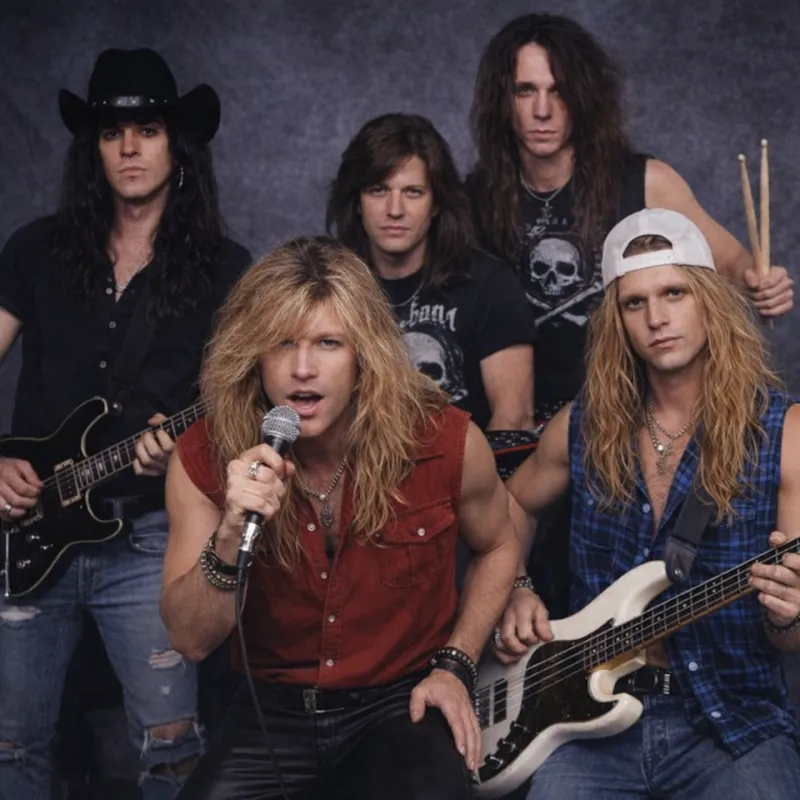
Every great American band has a version of this story: five guys, one busted van, a gig at a dive bar outside Tulsa where the sound guy is also the cook. Nobody claps. Somebody's dog barks through the second song. And the band plays the whole set anyway.
Now here's the uncomfortable question for anyone holding a bag in this space: when your project was playing its dive bar era — before the trending tickers, before the Telegram went vertical — were you in the room? Or did you first hear the song on the radio?
Because the crypto world has a way of confusing a crowd with a community. They look identical from the stage. They are nothing alike from the van.
Rented Hype vs. Owned Loyalty
You can rent a crowd. Every launch knows this. Airdrops, influencer shills, paid raid groups — it's the equivalent of a label buying radio spins. The room fills up, the numbers look great for a weekend, and then the tour bus empties out at the next shiny thing down the highway.
What you can't rent is the person who showed up on a Tuesday night when the bartender outnumbered the audience. That holder learned the songs before they were songs. They know the lore, the inside jokes, the reason the project exists beyond the chart. When the candles go red — and they always go red — that's the person still standing at the merch table.
Grassroots loyalty isn't a marketing metric. It's the only asset in this space that can't be farmed, bought, or airdropped into existence.
What the Small Gigs Actually Teach You
There's a reason veterans of the small-room era act different. Playing empty venues teaches you things a stadium never will:
- You learn why you're here. With no crowd to perform for, the only reason to keep playing is that you believe in the music. Projects that survive their quiet period are the ones with an actual reason to exist.
- You learn who else is here for real. Ten people in a room and you can look every one of them in the eye. Small communities are self-purging — the tourists leave because there's nothing to tour.
- You learn to build without applause. No dopamine from green candles, no engagement farming. Just work. Memes, mods, and momentum.
The bands that made it out of the van will tell you the empty rooms were the filter. The ones that quit in the empty rooms? You've never heard of them, which is kind of the point.
The Base Chain Bar Circuit
Here's what makes this era interesting for anyone paying attention: Base is full of dive bars right now. Small projects, small rooms, communities the size of a decent wedding. Most of mainstream crypto hasn't booked a ticket to this town yet.
That's not a weakness. That's the whole opportunity. The people discovering a project at the equivalent of a Tuesday open-mic night are getting in before the arena tour is even announced. And the projects that treat those early holders like the founding fans they are — remembering names, playing the small towns, never acting too big for the room — are the ones that fill stadiums later with people who've been there since the beginning.
No Paper Hands in the Van
So here's the ChadRizard take, wings spread, unbothered by the noise: the small-room years aren't something to endure. They're something to earn. Show up to the gigs nobody else wants. Know the other people in the room. Play the whole set even when the sound guy is also the cook.
Stadiums are just dive bars that got famous. The holders who understand that don't flinch at a quiet week — they recognize it as the soundcheck before the show. 🔥🐉