Laughed at Before Breakfast, Bought Before Lunch: A Brief History of America Doubting Winners
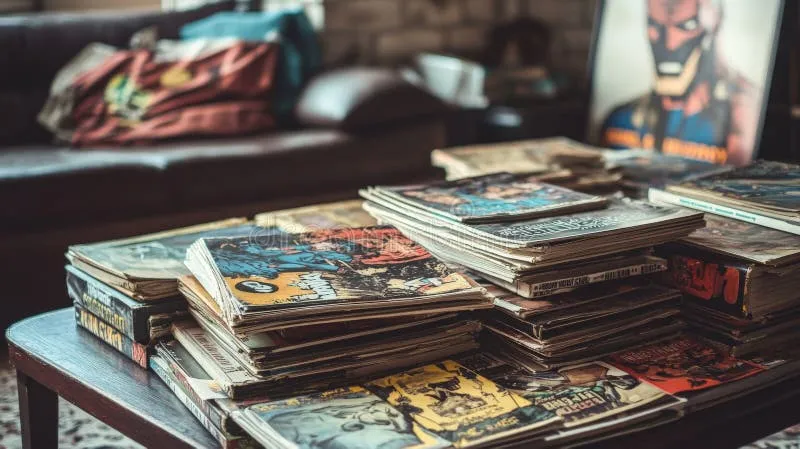
Photo: vintage comic books and collectibles on table nostalgic, via thumbs.dreamstime.com
There's a pattern in this country so reliable you could set your watch to it: Americans love to laugh at something right up until the moment they start buying it in bulk.
We at ChadRizard have heard every joke in the book. "A dragon memecoin?" they scoff. "This is what's wrong with finance." And you know what? We smile, because we've read our history books, and we know exactly which chapter we're in.
Chapter One: The Funny Pages Were Supposed to Rot Your Brain
In 1954, the U.S. Senate held actual hearings on whether comic books were destroying American youth. Psychiatrists wrote bestsellers about how Batman and Wonder Woman were moral quicksand. Communities held comic-book bonfires. Parents confiscated stacks of ten-cent treasures that would eventually be worth more than their houses.
Today, a single copy of Action Comics #1 — the debut of a guy in tights who, let's be honest, is basically a memecoin with a cape — sold for over $6 million. The thing America laughed at became one of the most valuable collectibles on Earth.
Chapter Two: Cardboard Squares and Stuffed Beans
Then there's the sports card. For decades, it was a shoebox hobby. Kids traded cardboard rectangles of men they'd never meet, and adults rolled their eyes at the whole enterprise. Fast-forward: a Mickey Mantle card sells for $12.6 million. The eye-rollers now host podcasts about grading scales.
And yes, we'll say it — Beanie Babies. Were they a bubble? Absolutely, and we're not going to pretend otherwise, because unlike the people who mock us, we can tell the difference between a mania and a movement. The lesson of the Beanie Baby isn't "collectibles are dumb." The lesson is: culture plus scarcity plus community is a force of nature, and the projects that survive the laughter are the ones that build something real underneath.
Chapter Three: The Internet Money Nobody Wanted
The freshest example, of course, is Bitcoin. In 2013, a mainstream talk show host mocked it on national television. In 2017, half of Wall Street called it a fad for criminals and cat enthusiasts. JPMorgan's CEO called it a fraud — and then his bank quietly built an entire digital asset division.
Bitcoin didn't argue with the critics. It just kept existing, block after block, while the laughter got quieter and the price got louder. Today a single Bitcoin costs more than a new F-150, and the same institutions that sneered are custodying it for their clients.
The Pattern: America Laughs First, Then Buys the Dip
Notice what all of these have in common:
- They were dismissed as toys. Comic books, cardboard, stuffed animals, internet money — none of it looked "serious."
- They had communities, not committees. Nobody greenlit Superman through a focus group. Kids in the 1930s invented the fandom from their bedrooms.
- The early holders got ridiculed the loudest right before things changed. Nobody mocks you for owning something everyone already owns. The laughter is a signal, not an insult.
The saying writes itself: things Americans laugh at before breakfast, they buy before lunch. And the folks who held through the giggling? They're the ones telling the story now.
So Where Does a Based Dragon Fit In?
We're not going to sit here and tell you ChadRizard is destiny, printed on the back of a dollar bill. That's not our style, and frankly, anyone promising you a guaranteed future in this space is selling you something.
What we will say is this: memecoins are the comic books of finance. The suits laugh. The press writes condescending explainers. And meanwhile, an entire culture is being built — communities with inside jokes, lore, loyalty, and a shared language that outsiders can't fake their way into. That culture is the moat. It always was.
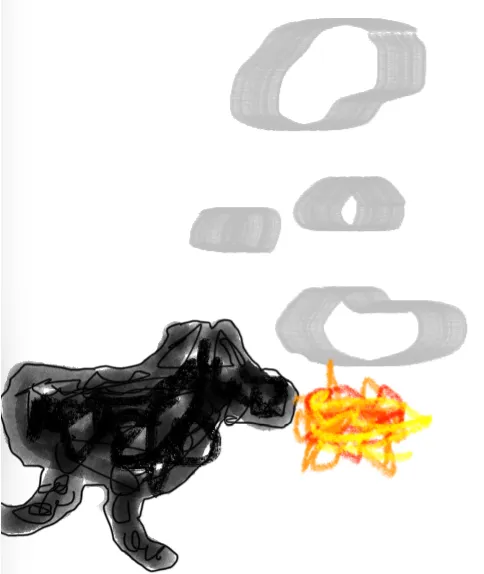
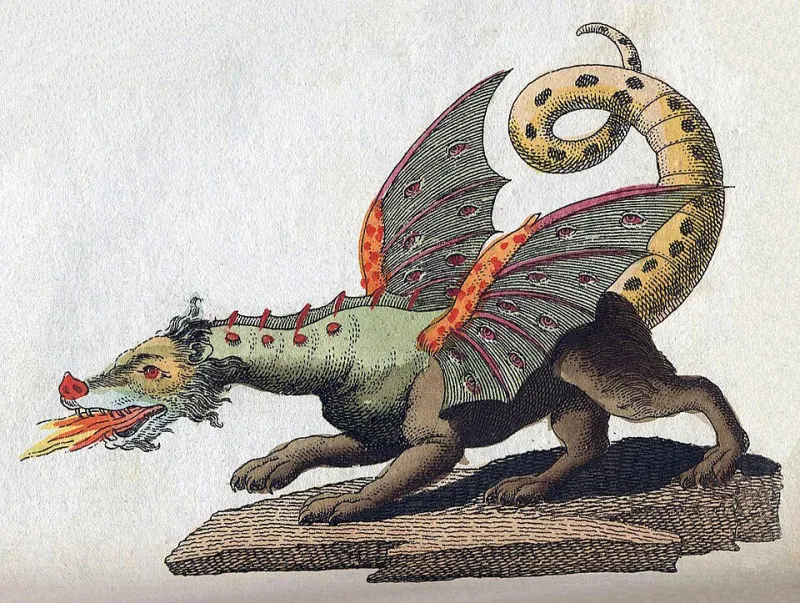
ChadRizard holders aren't just buying a token. We're participating in the oldest American tradition there is: believing in something ridiculous until it isn't. The dragon on our banner isn't just a mascot — it's a statement that we've read the pattern, we've done the homework, and we're comfortable being the punchline right up until we're the headline.
Hold the Line, History Nerd
So the next time a coworker chuckles at your phone wallpaper or your uncle asks if "that dragon coin" is still a thing, take it as a compliment. You're in excellent company — alongside kids hiding comics under their mattresses, teenagers trading cardboard at lunch, and the early Bitcoiners who were laughed off every panel show in America.
The laughter always comes first. The conviction is what separates the people who watched history from the people who held it.
No paper hands. No apologies. Fly high.
This is opinion and community commentary, not financial advice. Markets are risky — never invest more than you can afford to lose.